Fleet fuel card transactions include security features designed to protect businesses from fraud, theft and unauthorized use. Multiple protective layers work together to help reduce the risks typically seen with traditional credit cards and cash reimbursement systems. Understanding these security measures helps businesses evaluate how fleet cards might improve expense control and asset protection.
The earnify™fleet card provides comprehensive features to help keep your transactions safe. Apply today.
Fleet cards can be programmed with restrictions and automatically decline transactions falling outside approved parameters.
Driver PIN Authentication
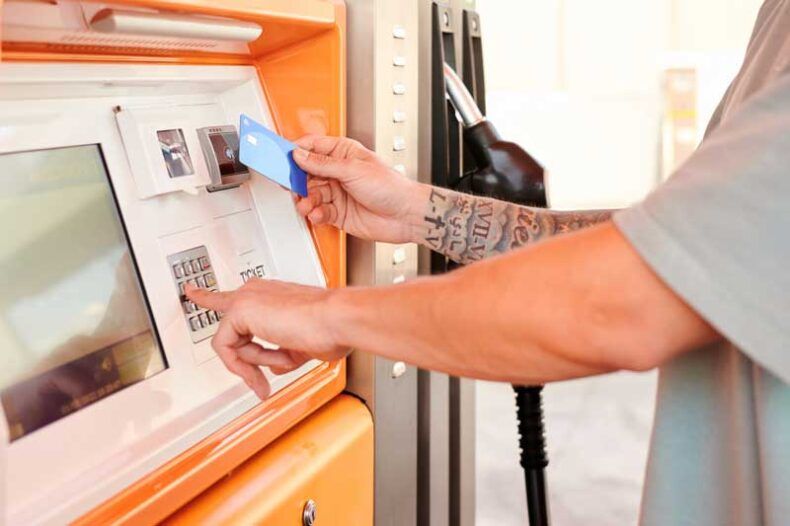
Personal identification numbers add an authentication layer beyond physical card possession. Like debit card security, PINs require drivers to enter a code before fuel purchases are authorized.
How PIN Systems Work
Each driver receives a unique four-digit PIN. The PIN must be entered at the pump before a transaction can be authorized. If someone finds or steals a card, they cannot use it without the assigned PIN. This two-factor authentication improves security compared to cards requiring only physical possession.
PIN Management Capabilities
Fleet managers can typically reset PINs through management dashboards if drivers forget their codes. This administrative capability ensures security features do not create operational disruptions when drivers need assistance, while maintaining protection against unauthorized use.
Purchase Controls Limit Card Usage
Fleet cards can be programmed with restrictions and automatically decline transactions falling outside approved parameters. These controls work at the point of sale without requiring real-time managerial approval.
Transaction Amount Limits
Dollar and gallon limits can serve as automatic guards against unusually large purchases. These limits can help prevent fuel transfer schemes or unauthorized usage.
Time-Based Restrictions
Cards can be programmed to work only during business hours or on specific days. A business operating Monday through Friday can turn off weekend card usage to help prevent personal use on days off.
Product-Level Controls
Advanced fleet cards streamline expense management by consolidating fuel and vehicle-related purchases into a single invoice with unified reporting. However, maintaining budget control requires robust spending safeguards. For fleet cards offering broad acceptance—such as Mastercard—it’s essential to customize spending parameters so drivers aren’t given unrestricted purchasing power. Look for a solution that lets you block or allow specific spending categories, including parts and service, tolls, parking, car washes, and roadside assistance, ensuring your fleet budget stays protected without sacrificing driver convenience.
Geographic Limitations
Some fleet card programs allow restricting card usage to specific regions or network stations. A business operating only in the Southwest can restrict card usage in all other regions, which is designed to flag out-of-area transactions as potential theft or unauthorized use.
Real-Time Transaction Monitoring
Automated monitoring systems track purchases as they occur and flag unusual activity for review. This real-time surveillance can help businesses detect problems immediately rather than discover issues during monthly statement review.
earnify™fleet monitoring capabilities can help identify suspicious transactions quickly for investigation.
Geographic Anomaly Detection
Transactions occurring far from assigned routes or work areas trigger immediate alerts. These geographic flags can help detect stolen cards or unauthorized vehicle use.
Frequency Alerts
Multiple transactions in short time periods or at distant locations can indicate card sharing or theft. Automated alerts for these patterns help businesses identify issues while circumstances can still be investigated and explained.
High-Value Transaction Notifications
Purchases exceeding certain thresholds generate automatic alerts even when they are within card limits. These notifications help managers verify if large transactions represent legitimate business needs rather than misuse or fraud attempts.
Instant Card Deactivation Capabilities
When cards are lost or stolen, businesses can disable them immediately through online portals or mobile apps. This instant response capability can help prevent additional unauthorized charges after security is compromised.
Traditional credit cards often require phone calls during business hours to report losses. Management systems typically provide 24/7 access to deactivate cards quickly, helping to minimize potential losses.
Temporary Card Suspension
Cards can typically be suspended temporarily rather than permanently deactivated. This feature works well when cards are misplaced rather than stolen, or when drivers are on leave but expected to return. A temporary suspension prevents misuse while preserving the ability to reactivate cards quickly.
Detailed Transaction Records
Comprehensive transaction records provide evidence needed when fraud or misuse is suspected. Fleet cards capture more detail than credit cards, creating clear documentation of exactly what occurred.
Each transaction record typically includes date, time, driver ID, vehicle ID, location, fuel type, gallons purchased, odometer reading and cost. This detailed data is designed to make it more difficult for unauthorized users to hide misuse or claim transactions were legitimate when evidence suggests otherwise.
Audit Trails for Accountability
Complete transaction histories showing who purchased what, when and where help create accountability and help deter misuse before it occurs.
Encrypted Data Transmission
Fleet card payment networks use encryption to protect transaction data during transmission between fuel stations, payment processors and card provider databases.
Fleet card payment networks use encryption to protect transaction data during transmission between fuel stations, payment processors and card provider databases.
Odometer Entry Requirements
Requiring odometer entry at each transaction can provide valuable data to help validate fuel consumption against miles driven. Declining or inconsistent odometer readings often signal problems requiring investigation.
Comparing fuel purchased to miles driven can help identify situations where consumption does not match usage, potentially indicating fuel theft or mechanical issues.
Mobile App Security Features

Mobile fleet management apps require strong security measures because they access financial data. Quality apps are built to offer features like password protection, biometric authentication (such as fingerprint or face recognition), automatic timeout after periods of inactivity, secure data transmission and multi-factor authentication.
Biometric Authentication
Fingerprint and face recognition capabilities available on modern smartphones provide convenient yet secure authentication. Biometric options typically offer better security than passwords alone while improving usability.
Multi-Factor Authentication for Account Access
Management accounts controlling fleet card programs may offer multi-factor authentication requiring both passwords and additional verification, such as codes sent to mobile devices. This extra security layer can help prevent unauthorized access if passwords are compromised through phishing or data breaches.
Role-Based Access Control
Fleet card management systems typically support different user roles with varying permission levels. A field supervisor might have view-only access, while a fleet director can modify controls and manage cards. This role-based structure can help maintain appropriate access restrictions and limit security exposure.
Regular Security Updates and Compliance
Reputable fleet card providers’ payment systems should comply with payment card industry security standards and regularly update security measures to address emerging threats. This ongoing maintenance helps protect against evolving fraud techniques and security vulnerabilities.
Exception Reporting for Security Reviews
Exception reports automatically highlight transactions falling outside normal patterns, allowing security-focused review of potentially problematic purchases without manually examining every transaction.
Data Privacy and Protection
Fleet card providers typically implement data privacy measures protecting sensitive business and driver information. Secure data storage, access controls and privacy policies can help ensure transaction data remains confidential and protected from unauthorized disclosure.
Comparing Security Features Across Programs
Not all fleet card programs offer identical security features. When evaluating options, businesses should consider PIN requirements, purchase control capabilities, real-time monitoring features, mobile app security, fraud detection systems and provider security certifications.
earnify™fleet Card resources provide guidance on evaluating and implementing your fleet card.
Learn more at earnifyfleet.com.