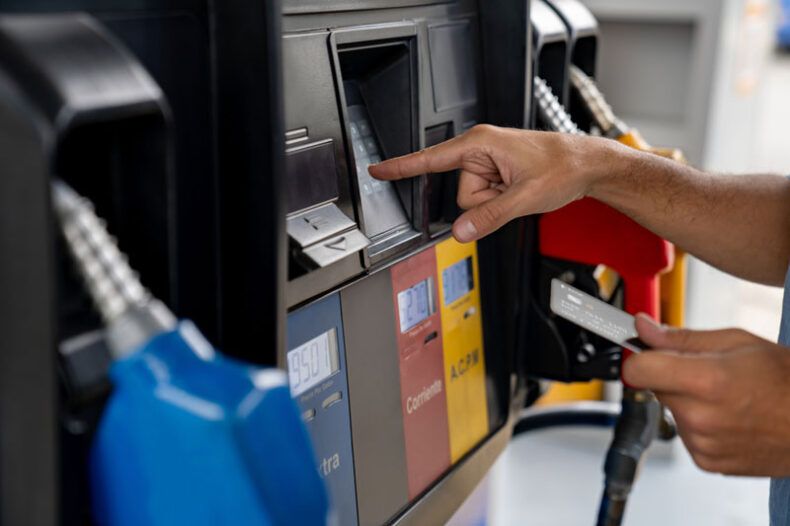
Fleet fuel cards track gas and diesel usage by capturing transaction data at the point of sale. This data is logged in a fleet card dashboard and is useful for supporting management decisions and exercising expense control.
Automated fuel tracking is made possible with an earnify™fleet fuel card. With real-time data and monitoring capabilities, fleet managers always know how much fuel is being used and how it impacts the business. Apply for an earnify™fleet fuel card today.
When a fleet card is used, transaction data is transmitted to centralized databases within seconds of completion. This allows fleet managers to monitor spending as it occurs rather than reviewing purchases later.
Data capture at the pump
When drivers use fleet cards at fuel stations, the card platform captures more information than typical credit card purchases. The data is recorded in real time, giving managers immediate access to details.
Required data entry
Driver prompts at the pump typically include vehicle number or unit identification, current odometer reading, and/or a driver pin for authentication. This data entry takes seconds and provides management with valuable information.
Automatic data elements
Fleet card systems automatically capture level iii data, including:
- Date and time of purchase
- Fuel station location (including address and station id)
- Fuel grade purchased
- Gallons dispensed
- Price per gallon
- Total transaction amount
All of this data is recorded accurately and automatically with virtually no manual effort.
Real-time data transmission
When a fleet card is used, transaction data is transmitted to centralized databases within seconds of completion. This allows fleet managers to monitor fuel spending as it occurs rather than reviewing purchases later. Unusual transactions can be investigated quickly while the incident is fresh and top of mind.
How data reaches management systems
Fuel stations connect to payment processing networks, routing fleet card transactions to card provider databases. These databases organize information by account, vehicle and driver, and are accessible through web-based management portals and mobile apps.
Centralized dashboard organization
Fleet managers can access fuel usage data through online dashboards and organize transactions by various criteria. earnify™fleet management tools organize transaction data for analysis and expense monitoring.
Filtering and search capabilities
Dashboards allow filtering transactions by date range, specific vehicles, individual drivers, fuel station locations or transaction amounts. This helps managers locate relevant information without having to search for full histories.
Summary views and analytics
Management systems generate summary reports showing total spending by time period, average fuel costs per vehicle or driver, fuel efficiency calculations based on gallons and odometer readings, and usage trends over time.
Fuel efficiency calculations
Odometer readings captured at each fill-up enable fuel efficiency tracking. Systems calculate miles driven between fill-ups and divide by gallons purchased to generate miles-per-gallon figures for each vehicle. This tracking helps identify vehicles with declining fuel economy and potential mechanical problems. Comparing efficiency across similar vehicles helps establish benchmarks and identify outliers.
Trend analysis over time
Historical fuel efficiency data reveal declining miles per gallon, potentially indicating emerging issues. A vehicle’s fuel economy gradually declining over months can signal maintenance needs. Sudden drops may indicate more urgent mechanical problems or changes in driving behavior.
Fleet-wide efficiency benchmarking
When all vehicles in a fleet are tracked consistently, businesses can compare performance across units. Similar vehicles operating similar routes should show similar efficiency. Significant variations warrant investigation.
Driver monitoring
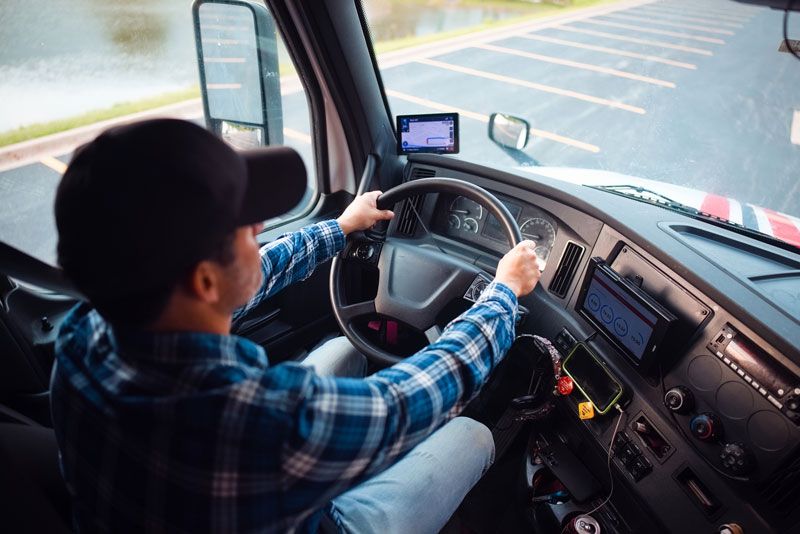
Linking transactions to individual drivers creates accountability and enables performance analysis. Individual usage histories show all purchases made by specific employees, helping managers evaluate performance and identify unusual spending patterns.
Linking transactions to individual drivers creates accountability and enables performance analysis.
Driver behavior analysis
Comparing fuel consumption across drivers operating similar vehicles on similar routes can identify training opportunities or highlight efficient performers.
Identifying unauthorized usage
Driver-specific tracking highlights personal use or card sharing. Unusual purchase patterns, excessive fill-ups, or transactions during off-hours become visible when linked to specific individuals.
Vehicle-specific usage records
Vehicle histories document all fuel purchases for each unit. This record supports total cost of ownership calculations, maintenance correlation analysis, and replacement decisions.
Maintenance correlation
Tracking fuel consumption alongside maintenance records can reveal relationships between service and efficiency. Vehicles receiving regular maintenance may show better fuel economy than similar units with deferred service.
Replacement decision support
When fuel consumption data shows declining efficiency despite maintenance, replacement may be more cost-effective than continued repairs.
Geographic usage analysis
Transaction location data shows where fuel is purchased. This can help identify route optimization opportunities, verify operational territories, and detect unusual patterns. If fuel purchases cluster in unexpected areas, it may indicate routing issues, unauthorized detours or inefficiencies.
Time-based usage patterns
Transaction timestamps show when fuel is purchased. Analysis can identify patterns such as after-hours usage, scheduling inefficiencies or seasonal changes in consumption.
Fuel type and grade tracking
Systems record fuel grades purchased. This helps verify drivers are using specified fuel types. This level of tracking can also identify misfueling incidents and track costs associated with incorrect fuel selection.
Exception flagging for unusual usage
Many fuel cards flag or block transactions if they fall outside of normal patterns or exceed programmed purchase limits. Examples include multiple fill-ups in short periods, purchases exceeding tank capacity, inconsistent odometer entries, and weekend or after-hours usage.
Automated alert notifications
Management systems can send notifications via email or mobile app when specific triggers occur. Managers can respond without continuously monitoring dashboards.
Historical data storage and retrieval
Fleet card systems maintain usage histories. These can be accessed months or years after purchases. This information helps support tax preparation, audits, trend analysis and future planning. Electronic records organized by multiple criteria are easier to search and retrieve than paper receipts. Finding transactions requires database queries rather than manual file searches.
Mobile app access to usage data
Mobile apps extend usage tracking to smartphones and tablets, enabling monitoring from any location with an internet connection.
Real-time transaction viewing
Mobile apps display transactions as they occur, allowing managers to verify purchases and identify irregularities while away from the office.
On-the-go reporting
Reports can be generated and viewed on mobile devices, providing spending summaries and exception lists without requiring desktop access.
Integration with accounting systems
Fuel purchase data can be exported to accounting software in compatible formats. This reduces manual data entry between fleet and financial systems and improves accuracy.
Gps integration for enhanced tracking
Some systems integrate with gps tracking and telematics to correlate fuel purchases with vehicle locations. Gps tracking helps verify vehicles were at the recorded purchase locations. Telematics provides on-board diagnostics of vehicle performance. Through telematics, managers can better monitor shifts in a vehicle’s performance or changes in driving tactics.
Custom reporting capabilities
Standard fleet card reports cover common needs, while custom reporting allows analysis of specific metrics relevant to operations, such as particular vehicles, time periods, routes or operational factors. earnify™fleet fuel cards are equipped with powerful, customizable reporting tools to help fleet managers and business owners focus on metrics and kpis important to them.
A better way to track fuel
Fleet fuel cards track usage by capturing data at the point of sale and transmitting it to centralized platforms in real time. This reduces manual tracking and provides information on consumption, efficiency and potential issues. The data support decisions on maintenance, driver training, route planning and vehicle replacement. Integration with accounting systems and mobile access extends its use beyond expense tracking.
Learn more at earnifyfleet.com.