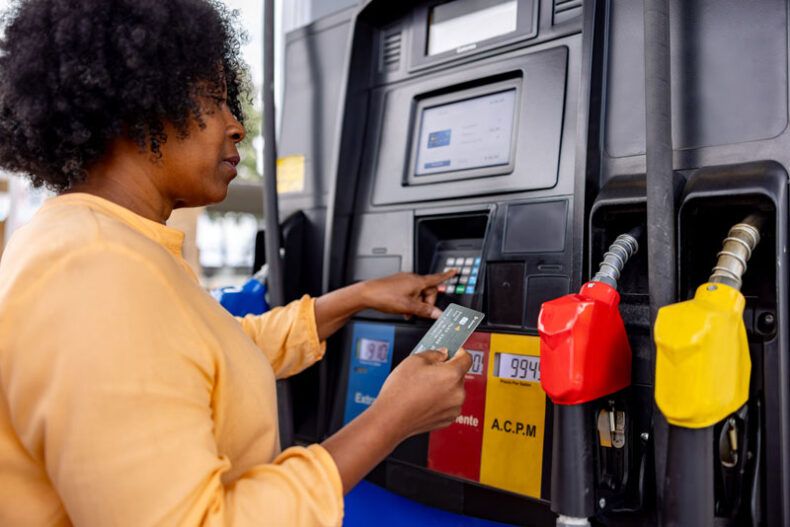
Fuel costs represent a major operating expense for businesses managing vehicles. Fleet fuel cards are designed to help control these costs through multiple mechanisms. Direct savings programs, automated spending controls, usage tracking, identifying inefficiencies, and detailed analytics all support better decision-making.
Cost control starts when you apply for an earnify™fleet fuel card.
Cards can be programmed with restrictions limiting transaction amounts, fuel quantities, purchase times, locations where cards work and approved product types.
Per-gallon rebates deliver direct savings
Many fleet card programs, like the one offered by earnify™fleet, offer competitive per-gallon rebates, leading to substantial cost reductions over time.
For a 20-vehicle fleet consuming 3,000 gallons monthly, a 5-cent rebate could save $1,800 annually. Larger fleets with higher consumption see proportionally greater benefits. These direct savings often provide the most visible and measurable cost reduction.*
How rebate programs work
Rebates are often credited monthly, reducing billing amounts or appearing as statement credits. These recurring savings can help improve cash flow while reducing overall fuel expenses.
Purchase controls prevent unauthorized spending
Unauthorized purchases and fuel misuse can quietly drain 5-10% from fuel budgets. Fleet cards include purchase controls to help prevent these losses.
Cards can be programmed with restrictions limiting transaction amounts, fuel quantities, purchase times, locations where cards work and approved product types. These controls operate at the point of sale, declining inappropriate transactions without requiring managerial intervention.
Transaction amount limits
Dollar and gallon limits serve as automatic guards against unusually large purchases. A card with a 40-gallon limit won’t authorize purchases exceeding programmed amounts, helping prevent fuel transfer to unauthorized vehicles or containers.
Time-based restrictions
Limiting card usage to business hours can help prevent after-hours misuse. A business operating monday through friday can disable card usage on weekends, eliminating personal use during days off.
Purchase restrictions
Programming cards to only accept specific products, categories or fuel only help protect budgets and purchases. Businesses can chose to allow fuel, tolls and oil changes, or lock the card down to fuel only.
Detailed usage tracking identifies inefficiencies
Fleet cards capture comprehensive transaction data, helping identify fuel consumption patterns and inefficiencies costing businesses money.
Managers can monitor spending as it occurs, compare against budgets in real time, and intervene before small issues become larger problems.
The earnify™fleet card’s tracking capabilities provide the visibility needed to spot issues and optimization opportunities.
Vehicle-specific fuel consumption monitoring
Tracking fuel usage by vehicle can help identify units with declining efficiency. A vehicle suddenly consuming 20% more fuel than similar units might need maintenance attention. Early detection often improves efficiency and prevents more costly repairs.
Driver behavior analysis
Comparing fuel efficiency across drivers operating similar routes in similar vehicles can help identify training opportunities. Drivers with consistently poor fuel economy might benefit from coaching in efficient driving techniques such as smoother acceleration and reduced idling.
Real-time spending visibility
Unlike traditional expense reporting, where managers learn about spending days or weeks later, fleet card dashboards provide real-time visibility into transactions. This immediacy allows quick response to unusual spending patterns or budget variances. Managers can monitor spending as it occurs, compare against budgets in real time, and intervene before small issues become larger problems.
Automated expense tracking reduces administrative costs
While not directly reducing fuel costs, reducing administrative expenses related to fuel management contributes to overall cost control. Manual expense processing typically requires 20-30 minutes per transaction. Fleet card automation can reduce this time by 70-80%, delivering labor cost savings.*
Exception reporting flags cost anomalies
Exception reports automatically highlight transactions falling outside normal patterns. Weekend purchases, unusually high transaction amounts, unexpected locations or frequent fill-ups all warrant investigation as potential cost control issues.
These automated flags help managers focus attention on problematic transactions rather than manually reviewing every purchase.
Route optimization through purchase data
Geographic analysis of fuel purchase locations can help businesses identify inefficient routing. If fuel stops cluster in unexpected areas, it might indicate suboptimal routes, increasing unnecessary mileage and fuel consumption.
Fraud reduction through security features
Driver pin requirements, real-time monitoring, and instant card deactivation capabilities can help reduce fuel theft and fraud. Every gallon saved from misuse represents direct cost avoidance.
Pin authentication
Requiring drivers to enter personal identification numbers at the pump can help prevent unauthorized card use. Lost or stolen cards become useless without the assigned pin.
Real-time fraud monitoring
Automated systems flag suspicious transactions immediately, allowing businesses to investigate while details are fresh and prevent additional losses.
Consolidated billing improves budget management
Single monthly statements consolidating all fleet fuel expenses provide clear visibility into total spending. This consolidated view helps businesses track budgets more effectively than scattered individual transactions.
Data-driven decision making
Comprehensive reporting and analytics support better decisions about vehicle replacement timing, route optimization, driver training needs and operational efficiency improvements. These data-driven decisions often lead to meaningful cost reductions over time.
Total cost of ownership analysis
Tracking both fuel and maintenance expenses on fleet cards provides data for comprehensive total cost of ownership calculations. This analysis supports strategic vehicle replacement decisions based on actual operating costs.
Improved tax documentation reduces errors
Comprehensive electronic records simplify documentation of fuel tax deductions. Accurate deductions reduce the risk of IRS scrutiny while ensuring businesses claim all legitimate deductions, potentially reducing effective fuel costs through proper tax treatment.
Implementing effective cost controls
Achieving maximum cost-control value requires strategic implementation. Businesses should establish clear spending policies, set appropriate purchase limits, review exception reports regularly, analyze fuel efficiency trends, and adjust controls as operations evolve.
earnify™fleet card resources provide guidance on effective fuel cost management practices.
Fleet cards help control fuel costs through multiple complementary mechanisms. Direct savings from per-gallon rebates and network discounts reduce per-unit costs. Purchase controls help prevent unauthorized spending and misuse. Detailed tracking identifies inefficiencies requiring attention. Real-time monitoring enables quick intervention. Comprehensive analytics support better operational decisions. Combined, these capabilities typically deliver meaningful total cost reduction.* with an earnify™fleet card, you gain access to tools designed specifically for fuel cost management.
*cost savings and financial performance are not guaranteed. Actual results vary depending on fleet size, vehicle types, fuel consumption, geographic location, operating conditions and management practices. Individual results may differ.