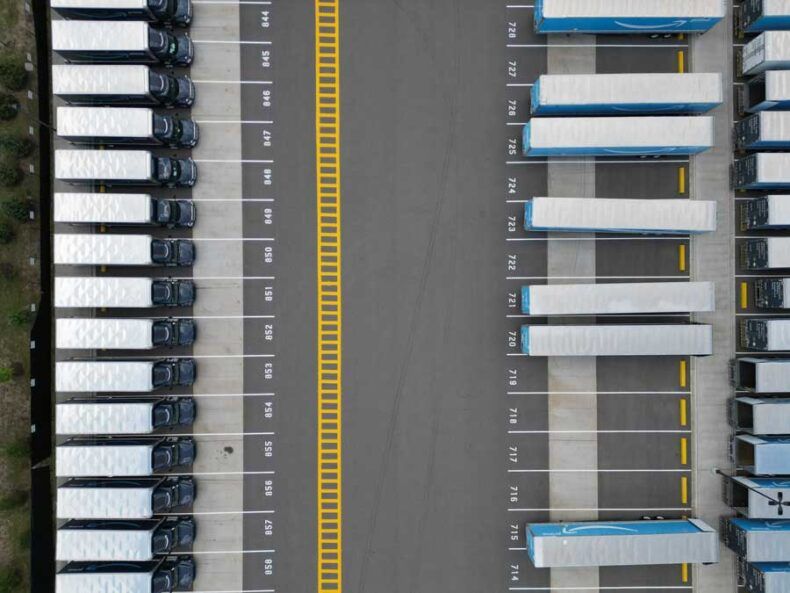
Fleet fuel cards can provide value for any business reliant on vehicles. From small operations with a few vehicles to large fleets with hundreds of units, fleet cards can help reduce expenses, improve tracking and increase accountability. Understanding which business types benefit most helps companies evaluate whether fleet cards align with their operational needs.
Fleet management can be made easier with fleet fuel cards like earnify™fleet. Apply for a fleet card designed for businesses of all sizes .
Delivery and distribution companies
Businesses delivering products, packages or materials typically operate vehicles and consume substantial amounts of fuel. Multiple daily delivery routes can be more easily managed with fleet cards.
Delivery companies benefit from:
- Route optimization data based on fuel purchase locations
- Vehicle-and driver-level fuel efficiency tracking
- Transaction-level visibility into fuel purchases
- Automated expense reporting to reduce manual receipt processing.
Last-mile delivery services
Companies providing final delivery to customers or job sites typically operate numerous smaller vehicles, making frequent stops. Fleet cards can help track fuel expenses by delivery route and identify vehicles or drivers with poor fuel economy.
Freight and long-haul operations
Trucking companies covering extensive distances may benefit from wide-acceptance networks, fuel-efficiency monitoring and expense documentation to help support tax deductions and client billing.
Construction and contracting businesses
Construction companies often manage diverse fleets of trucks, vans and specialty equipment, as well as vehicles used by supervisors or project managers. Fleet cards can help consolidate tracking across these assets.
Contractors may benefit from job-specific expense allocation, equipment fuel tracking for billing purposes, purchase controls to prevent personal use, and simplified tax documentation for fuel deductions.
HVAC and plumbing contractors
Service contractors who make customer site visits throughout the day incur significant fuel expenses. Fleet cards often include maintenance service discounts to help reduce fuel and routine vehicle service costs.
Electrical and general contractors
Multi-site construction operations can benefit from tracking fuel expenses by project or location. Fleet cards can help allocate costs for billing and project accounting.
Sales organizations with field representatives
Companies with sales teams traveling to customer locations need systems to track mileage and fuel expenses for reimbursement and tax purposes. Fleet cards are designed to help reduce the reliance on personal funds and simplify expense documentation.
Sales organizations benefit from mileage tracking for territory analysis, fuel expense documentation for tax deductions, reduced reimbursement administration and real-time visibility into field expenses.
Service and maintenance companies
Businesses providing on-site services such as landscaping, pest control, cleaning or equipment maintenance typically operate fleets with multiple customer locations each day. earnify™fleet can help service businesses manage expenses across multiple service areas.
Property management and facility services
Companies managing multiple properties or providing facility services often benefit from tracking expenses by property or client. Fleet cards can help allocate fuel costs accurately and automatically for billing and budget reporting.
Companies managing multiple properties or providing facility services often benefit from tracking expenses by property or client.
Healthcare organizations with mobile services
Home healthcare providers, mobile medical services and medical equipment delivery companies often require detailed expense tracking for insurance billing and compliance documentation.
These healthcare organizations can benefit from fuel cards with detailed transaction records for billing documentation, vehicle-specific tracking to meet compliance requirements, security features to prevent misuse, and automated reporting to reduce administrative workload.
Nonprofits and social service organizations
Nonprofits may benefit from expense documentation for grant reporting, fuel rebates that have the potential to support budget extension, volunteer driver management without using personal funds, and audit trails to support financial accountability.
Government and municipal fleets
Local, state and federal government agencies operating vehicle fleets face strict accountability requirements and public oversight. Fleet cards can provide the documentation and controls needed for compliance. Fleet card reporting supports compliance requirements, purchase controls help prevent unauthorized spending, reporting tools offer budget oversight, and security features help protect public resources.
Transportation and logistics companies
Businesses providing transportation services, freight hauling or logistics management typically operate large fleets with substantial fuel consumption. Fleet cards can help manage these operating expenses.
Regional and local trucking operations
Trucking companies tend to benefit from driver-specific expense tracking, fleet-wide fuel efficiency monitoring, network coverage across diverse routes, and integration with fleet management systems.
Real estate agencies
Real estate firms with agents driving clients to property showings accumulate mileage and fuel expenses. This often requires tracking for tax deductions and reimbursement. Fleet cards can help reduce the administrative burden of processing expense reports from multiple agents.
Utility and energy companies
Electric, gas, water and telecommunications utilities operate service fleets for maintenance, emergency response and installation work. Fleet cards can help manage expenses across geographically dispersed operations.
Food service and catering businesses
Restaurants with delivery services, catering companies and food distributors can benefit from fleet fuel cards. These businesses’ vehicles often require fuel for refrigeration in addition to transportation. Any company with excessive fuel usage may benefit from detailed tracking and management.
Franchises and multi-location operations
Businesses operating franchises or multiple locations may benefit from consolidated reporting while maintaining location-specific expense tracking. Fleet cards can help corporate management monitor total spending while location managers track local operations.
Businesses operating franchises or multiple locations may benefit from consolidated reporting while maintaining location-specific expense tracking.
Emergency services and first responders
Private ambulance companies and other emergency response organizations operate vehicles that require continuous access to fuel. Fleet cards provide payment capabilities designed to help eliminate the need for cash advances or reimbursement processes.
Small businesses with growing vehicle needs

Small businesses transitioning from one or two vehicles to larger fleets can benefit from implementing fleet card systems early. Establishing fuel expense controls and tracking processes can support growth and improve oversight.
When to implement fleet cards
Businesses should consider fleet cards when they:
- Manage two or more vehicles regularly
- Manually process driver expense reports
- Experience fuel expense tracking challenges
- Plan to expand their fleet and need a scalable solution
Fleet size considerations
Fleet cards can provide value across a range of fleet sizes, although benefits vary by scale. Small fleets with 3–10 vehicles often benefit from in-network brand savings, administrative savings and improved expense tracking. Mid-size fleets with 10–50 vehicles may see greater value from purchase controls and fuel rebates. Large fleets with more than 50 vehicles often benefit from universal acceptance, advanced analytics and volume-based rebates.
Evaluating fleet card suitability
Businesses should consider fleet cards when fuel expense management creates an administrative burden, unauthorized spending occurs or is suspected, reimbursement processing consumes staff time, fuel tax documentation needs improvement, operations would benefit from fuel consumption data, or management requires greater visibility into fleet operating costs.
The resources at earnify™fleet help businesses evaluate suitability based on their operational requirements, fleet size and reporting needs.
Learn more at earnifyfleet.com.